Ugly Is the New Beautiful: Meet the American Creatives Getting Rich Off Making Your Eyes Hurt
Somewhere between the ten-thousandth beige linen couch on your Instagram feed and the forty-seventh sans-serif logo that looks exactly like every other sans-serif logo, something snapped. Not just in the collective cultural psyche — but in the studios, bedrooms, and chaotic creative spaces of a growing wave of American artists, designers, and stylists who decided, almost simultaneously, that beauty was deeply, profoundly boring.
They didn't pivot toward something cleaner or more refined. They went the other direction. Hard.
Welcome to the anti-aesthetic movement — where clashing is a compliment, jarring is the goal, and if your work doesn't make at least one person mildly uncomfortable, you probably haven't pushed far enough.
So What Even Is the Anti-Aesthetic?
Let's be clear: this isn't sloppiness dressed up as philosophy. The anti-aesthetic is deliberate, calculated, and — here's the twist — incredibly skilled. You don't accidentally make something this aggressively off-putting. It takes real craft to construct a visual experience that feels like it's actively arguing with itself.
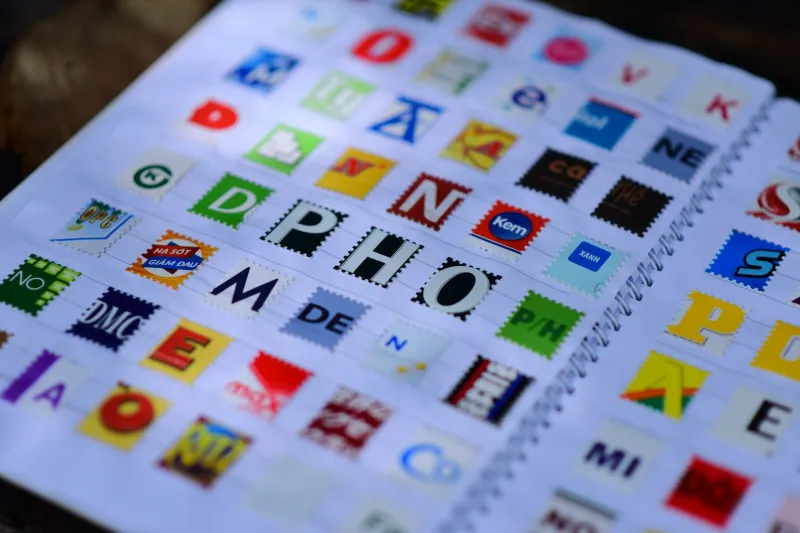
Think album covers that look like they were assembled during a power outage. Fashion drops where the prints scream at each other across the garment like estranged relatives at Thanksgiving. Interior design accounts going viral not because the rooms look good, but because they look alive in a way that a perfectly staged Restoration Hardware showroom never could.
The movement draws lineage from a surprisingly deep well — Dada, punk zine culture, early internet aesthetics, the deliberately crude visual language of 90s skate graphics. But what's happening right now in 2024 America feels different. It feels like a direct, pointed response to the algorithm-optimized perfection that has colonized every visual corner of our lives.
The Oversaturation Problem Nobody Wants to Talk About
Here's the uncomfortable truth that the anti-aesthetic crowd is screaming in neon Comic Sans: we have been absolutely drowned in polish. Every brand looks like every other brand. Every apartment looks like a set. Every album cover has been focus-grouped into a smooth, inoffensive oblivion.
The tools that made great design accessible to everyone — Canva, Adobe's entire ecosystem, Instagram's built-in filters — also quietly homogenized everything. When everyone has access to the same templates, the templates become the aesthetic. And the aesthetic becomes wallpaper.
"There's this visual language that's supposed to signal 'quality' and 'taste,' and it's become so ubiquitous that it actually signals nothing anymore," says Dessa, a Brooklyn-based graphic designer who has built a following of over 200,000 by producing album artwork that looks, on first glance, like it was made by someone who has never seen a computer. "I spent years making beautiful, technically perfect work. Clients loved it. It also disappeared into the feed immediately. The ugly stuff? People stop scrolling."
Stopping the scroll, it turns out, is now the most radical act in visual culture.
Fashion's Most Chaotic Semester
Nowhere is the anti-aesthetic more visible — or more commercially interesting — than in fashion. A cluster of independent American designers has been quietly building devoted audiences around the principle that coordination is cowardice.
Think garments where florals collide with plaids in ways that would give a color theory professor a stress headache. Silhouettes that seem to be having an identity crisis. Fabrics that weren't meant to be friends, sewn together anyway, thriving in their dysfunction.
Chicago-based designer Marcus Trelle, whose small-batch drops sell out within hours despite (or because of) looking like they were conceived during a fever, puts it simply: "I'm not anti-beauty. I'm anti-safety. There's a difference. Safe is what happens when you're more scared of being disliked than you are excited about making something real."
His most viral piece — a jacket that combines hunting camo, 70s wallpaper print, and what appears to be a toddler's finger-painting — has been worn by three separate musicians on tour this year. None of them coordinated. All of them looked incredible.
The Interior Design Accounts Your Algorithm Doesn't Know What to Do With
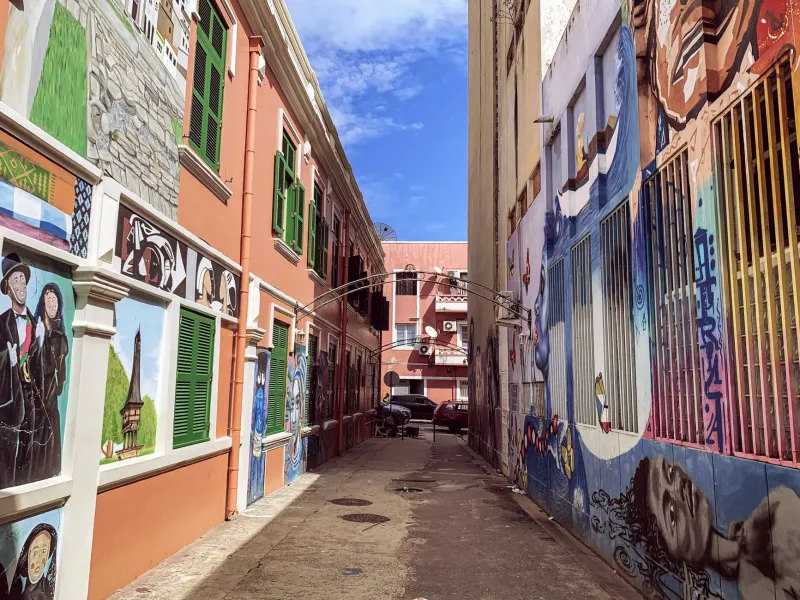
If fashion is the movement's runway, interior design is its most unhinged laboratory. A growing cluster of accounts — largely based in cities like Detroit, New Orleans, and Portland — are documenting living spaces that look less like aspirational lifestyle content and more like the inside of a very creative person's actual brain.
We're talking carpet layered over carpet in patterns that have no business being in the same zip code. Furniture from completely different decades having a loud conversation in the same room. Art hung at heights that suggest the person who put it there was either very tall, very short, or operating on a philosophy the rest of us haven't caught up to yet.
These accounts aren't getting engagement ironically. People aren't following them to laugh. They're following them because, after years of minimalist beige content, a room that looks genuinely lived in and decided upon — even if those decisions were chaotic — feels like a breath of actual air.
Why Ugly Might Actually Be the Most Honest Thing Right Now
Here's what the anti-aesthetic movement is really saying, underneath the clashing prints and the purposely garish color choices: perfection is a performance, and we're exhausted from watching it.
Every pristine visual we've been fed for the past decade has been optimized — for engagement, for brand safety, for the broadest possible audience. Which means it's been optimized away from any actual point of view. The anti-aesthetic, in all its deliberately abrasive glory, has a point of view. It has opinions. It will not be making itself smaller so you feel more comfortable.
There's something almost radical about that in an era when most creative output is pre-emptively softened, A/B tested, and algorithmically vetted before it ever reaches human eyes.
"Making something ugly on purpose is a power move," says Naomi Chen, a Los Angeles-based stylist whose editorial work for independent publications has been called 'visually aggressive' by critics she considers to be paying her a compliment. "You're saying: I know what beautiful looks like. I chose this instead. That's confidence. That's a statement. A nice, safe, pretty image is just... furniture."
The Part Where We Ask If This Is Going to Last
Every movement eventually becomes the thing it was rebelling against. The anti-aesthetic is not immune to this. Already, you can see the early signs of it being co-opted — brands gesturing toward 'intentional ugliness' while still running it through seventeen rounds of stakeholder approval.
But for now, in its genuine form, the movement is doing something valuable. It's reminding us that creative decisions are supposed to cost something — some comfort, some approval, some easy legibility. The creatives driving this wave aren't making ugly things because they can't make beautiful ones. They're making ugly things because they've decided that beautiful, right now, isn't enough.
And honestly? Looking at the fifteenth perfectly lit flat lay of the day, we're starting to see their point.