Broke the Grid: How Deliberately Hideous Logos Became the Coolest Thing in Branding
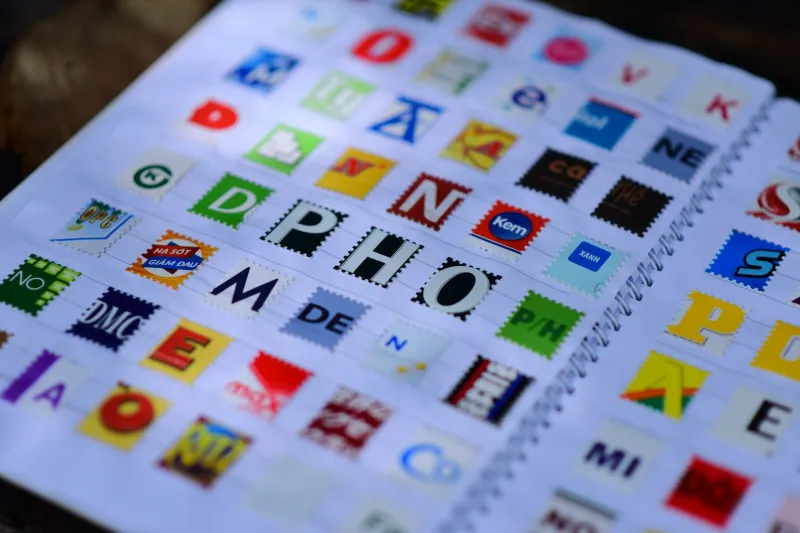
Somewhere between Canva templates and billion-dollar rebrands, a quiet rebellion broke out. It didn't announce itself with a press release or a Medium post from a senior VP of Design Thinking. It announced itself with a logo that looked like someone had spilled a bag of fonts onto a hot sidewalk and called it art.
Welcome to the era of the ugly logo — and no, we're not talking about accidents.
The Polished Apocalypse Nobody Asked For
For most of the last decade, brand aesthetics followed a very specific script. Neutral palettes. Sans-serif everything. Logos that could fit on a tote bag, a phone case, and a $9 oat milk latte sleeve without offending a single person. The result? A visual monoculture so aggressively inoffensive it became its own kind of horror.
You know the look. That particular shade of dusty sage. The logo with the little geometric swoosh. The wordmark in lowercase letters because uppercase felt too confrontational. It worked for a while — until every brand from a luxury mattress company to an artisanal pickle startup looked like they were designed by the same algorithm with a mild anxiety disorder.
The audience noticed. Specifically, a younger audience raised on internet irony, glitch art, and the aesthetic chaos of early web culture noticed. And they were bored.
Enter the Chaos Practitioners
The countermovement didn't start in a boardroom. It started in streetwear drops, DIY zine covers, and the kind of indie game studios that name themselves things like Devolver Digital and then lean into the bit so hard it becomes a genuine identity.
Devolver Digital is actually a masterclass here. Their marketing materials look like they were produced by a company that might also be a cult — deliberately low-fi, aggressively weird, dripping with self-aware absurdism. Their E3 press conferences became famous not because they revealed blockbuster games, but because they staged fake corporate parody performances that somehow made them feel more authentic than every polished competitor in the room. The "ugly" wasn't incidental. It was load-bearing.
In streetwear, the lineage goes back further. Supreme's early identity — that Barbara Kruger-riffing red box, the deliberately blunt typography — wasn't the result of a brand consultant's vision board. It was confrontational by design. It said: we don't need to impress you, and that's exactly why you want this. That tension between repulsion and desire is the whole engine.
More recently, labels like Brain Dead and Eckhaus Latta have pushed the visual language even further into deliberate wrongness. Mismatched fonts. Clashing colors. Graphics that seem to actively resist being legible. And yet the pieces sell out. The brand equity is enormous. The ugliness is the luxury.
The Psychology of the Imperfect Signal
So why does this work? Why does a logo that looks like it was made in Microsoft Paint in 2003 make certain people reach for their wallets?
Part of it is what researchers call the pratfall effect — the counterintuitive phenomenon where revealing a flaw actually increases likability and trust. A brand that presents itself as perfectly polished triggers a low-grade skepticism in audiences who've been marketed to their entire lives. But a brand that's visibly weird, rough, or self-aware? That reads as honest. It reads as confident enough to not care.
There's also something deeper going on around subcultural signaling. Ugly logos function as a kind of shibboleth — you have to already be in the know to understand that the bad-on-purpose design is intentional genius rather than actual incompetence. If you get it, you're in. If you don't, you're not the target audience, and that's fine. This exclusivity through aesthetic literacy is incredibly powerful.
Underground music scenes have understood this forever. Look at the visual history of punk flyers, early hardcore record sleeves, or the hand-stamped packaging of limited cassette runs in the noise and experimental scenes. The roughness wasn't a budget limitation — it was a manifesto. It said: we exist outside the systems you've normalized, and our visuals will remind you of that every single time.
The Indie Game Vanguard
If you want to see this philosophy in real-time, spend an afternoon on itch.io, the indie game platform that has essentially become a gallery for chaotic creative identity. Games there regularly feature visual branding that defies every rule in every design textbook — and it works because the audience for experimental games has been trained to read intentional weirdness as a signal of creative ambition.
Toby Fox's branding around Undertale was deliberately retro-ugly in a way that made the emotional gut-punches of the game land harder. The visual dissonance was part of the experience. More recently, games like Hypnospace Outlaw built their entire identity around the aesthetic chaos of late-90s internet design — and the result was something that felt genuinely new by aggressively looking old and wrong.
How to Tell Genius from Just Bad
Here's the question that always comes up: how do you know if an ugly logo is intentionally brilliant or just... bad? The answer is usually consistency and commitment. Deliberately chaotic visual identities tend to be internally coherent — the weirdness follows its own logic, even if that logic is aggressive and strange. There's a difference between a brand that looks like it doesn't care about design and a brand that cares so much about design it's willing to break every rule to prove a point.
The other tell is context. Ugly-on-purpose branding tends to emerge from communities that already have sophisticated visual literacy — streetwear heads, indie game players, underground music fans. The brand and the audience are essentially collaborating on a shared joke that outsiders aren't meant to fully get.
The Boldest Move Is Looking Like You Don't Care
In a landscape where every startup has a perfectly kerned wordmark and a color palette sourced from the same three design trend reports, looking like you don't care is the most radical thing you can do. Of course, the brands doing it best care enormously — they've just redirected that care away from conventional approval and toward something weirder, more specific, and ultimately more memorable.
The chaos isn't the absence of a vision. It is the vision.
And honestly? In a world drowning in beige, a little deliberate ugliness might be the most beautiful thing going.