Born, Peaked, Dead: The Absolutely Unhinged Life Cycle of Internet Micro-Trends

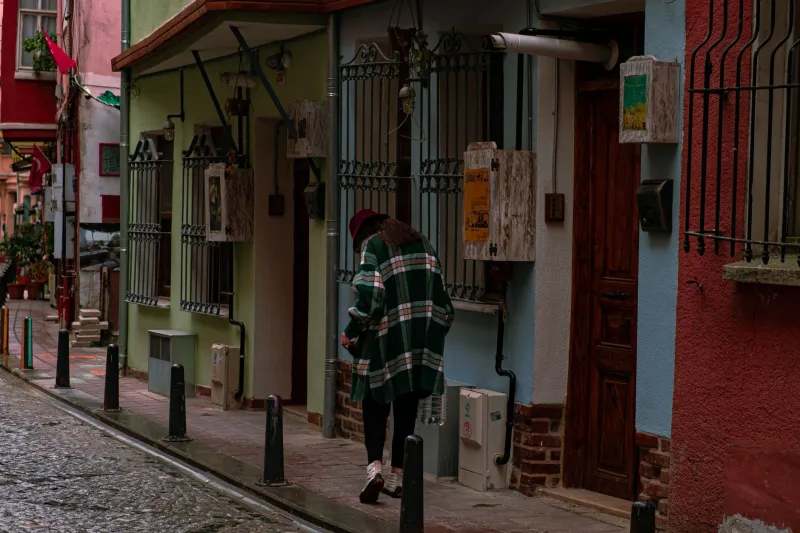
Photo by Photo by Maria Oswalt on Unsplash on Unsplash
Somewhere between your third scroll of the day and your fourth iced coffee, you probably encountered an aesthetic you'd never heard of before. Maybe it was a TikTok tagged #quietluxurycottagecore or a Reddit thread dissecting the rise of 'goblinpunk brunch.' You thought, huh, that's a thing? And then, approximately six business days later, it was already over. Someone had declared it cringe. A fast fashion brand had dropped a collection. The cycle was complete.
Welcome to the era of the micro-trend — the cultural moment so specific, so gloriously niche, it almost feels like an inside joke the internet is playing on itself. Except the joke has a Pinterest board, three Substack newsletters, and a Depop resale market.
The Aesthetic Industrial Complex Is Eating Itself
Let's start with some context. For most of human history, trends moved slowly. Bell-bottoms took a decade to cycle in and out. Disco had a full run before it died a dramatic, Studio 54-shaped death. But the internet — and TikTok specifically — compressed that timeline into something that barely qualifies as time at all.
In 2024 alone, we watched the internet birth, celebrate, satirize, and bury aesthetics like 'lumbersexual academia,' 'twee industrial,' 'dark coastal grandmother,' and the baffling but somehow coherent 'feral librarian.' These aren't just vibes — they're fully formed visual languages complete with color palettes, approved book lists, and very specific opinions about what kind of tote bag signals authentic membership.
The machinery behind this acceleration is worth understanding. TikTok's algorithm doesn't just show you what's popular — it shows you what's about to be popular, feeding early adopters a constant drip of nascent micro-cultures. Reddit's r/femalefashionadvice, r/weddingplanning, and dozens of style-adjacent communities act as incubators where aesthetic language gets formalized before it hits the mainstream. By the time a trend has a name, a mood board, and a BuzzFeed article, it's already in its twilight era.
Real Examples, Real Chaos
Let's talk specifics, because the specifics are where it gets delightfully unhinged.
'Coastal grandmother' started as a genuine, kind of charming TikTok observation about Diane Keaton movies and linen trousers. Within roughly four months, it had spawned approximately 47 sub-variants: coastal grandmother rave, coastal grandmother punk, dark coastal grandmother (same vibe but make it threatening), and, inevitably, coastal grandfather. By the time Banana Republic and J.Crew were using the phrase in actual marketing copy, the original community had moved on to something involving mushrooms and Victorian silhouettes.
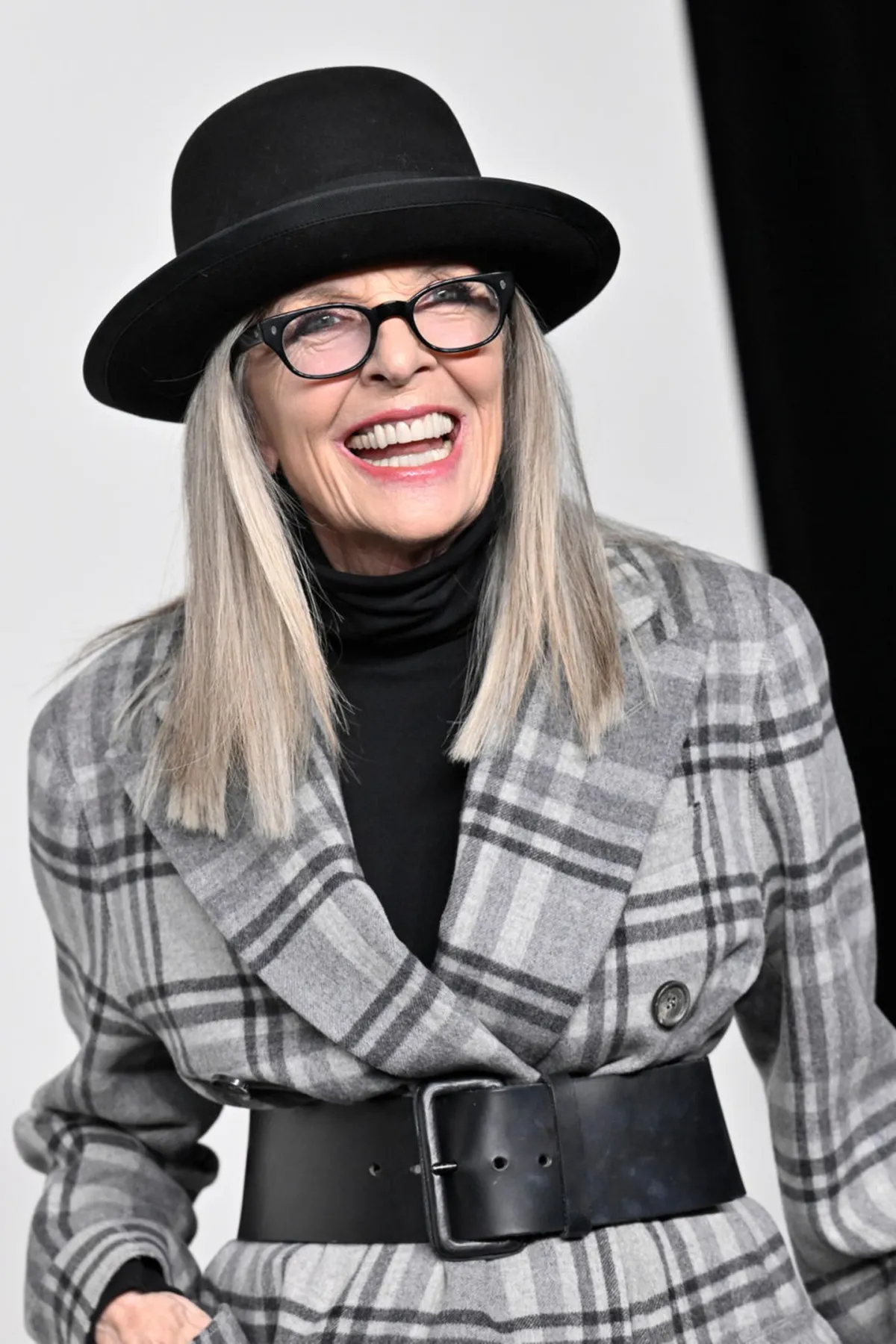 Photo: Diane Keaton, via image.gala.de
'Dark academia camping' — a personal favorite — emerged from a corner of Tumblr-meets-TikTok that asked the deeply important question: what if you went hiking but made it brooding? Think tweed in the wilderness. Leather-bound journals by campfire light. Annotating Dostoevsky while your s'mores burn. It peaked for maybe three weeks before it was absorbed into the broader 'cottagecore adjacent' universe and lost its identity entirely.
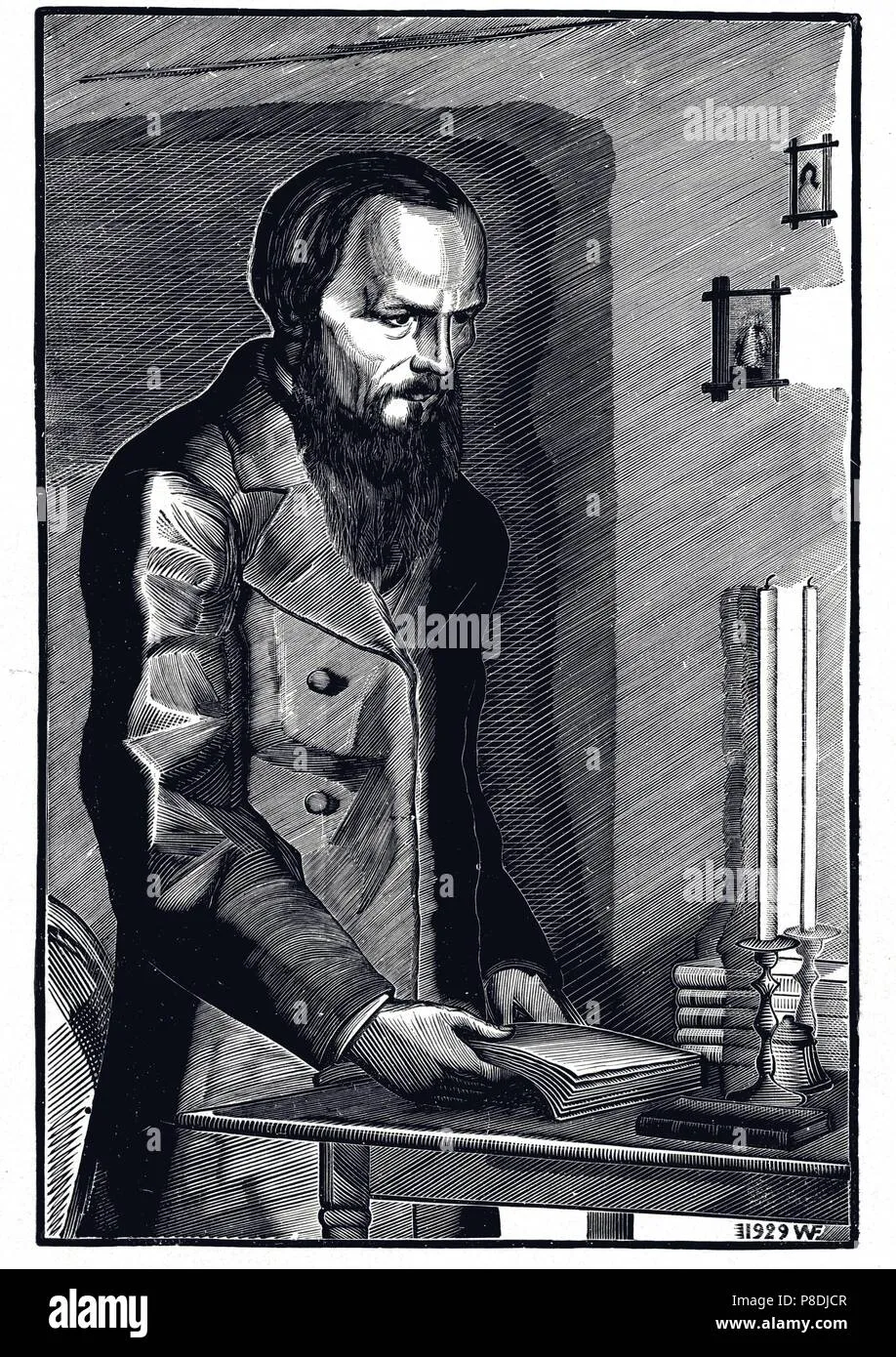 Photo: Dostoevsky, via c8.alamy.com
Over on Reddit, the r/streetwear community watched 'gorpcore' — outdoor gear as fashion — go from niche to mainstream to ironic to post-ironic so fast that people were simultaneously wearing Arc'teryx unironically, ironically, and as a commentary on people wearing it ironically. We've entered aesthetic recursion. It's fine. Everything is fine.
So Who's Actually Driving This?
Here's the uncomfortable truth: micro-trends don't really come from nowhere. They come from a very specific pipeline. A creative person — often queer, often a person of color, often existing in a subculture that mainstream culture hasn't fully colonized yet — develops a genuine, lived aesthetic. It gets documented online. An algorithm picks it up. Larger creators remix it. Brands notice. Fast fashion executes. The original community watches their thing become a Halloween costume at Target.
This isn't a new story — punk, hip-hop, and skateboarding all went through versions of this. But the speed is new. The scale is new. And the way trend cycles now overlap and self-reference in real time creates this dizzying hall-of-mirrors effect where it's genuinely hard to tell what's authentic expression and what's aesthetic cosplay.
Is Your Personal Style Actually Yours?
This is where it gets a little existential — bear with us.
There's a real argument that micro-trend culture, for all its chaotic joy, is quietly eroding the concept of personal style. When aesthetics are served to you algorithmically, when every vibe has a name and a shopping list attached, when the path from 'I discovered this thing' to 'this thing is a meme' takes under a month — it becomes harder to develop a look that's genuinely, stubbornly yours.
A lot of people on TikTok are essentially wearing a mood board. Which isn't necessarily bad! Mood boards are fun. But there's a difference between using trends as ingredients and just... becoming the trend. One is cooking; the other is being cooked.
The people who seem to navigate this best are the ones treating micro-trends as a buffet rather than a religion. They'll pull a piece from dark academia here, a silhouette from feral librarian there, mix it with something genuinely personal, and end up with something that doesn't have a name yet. Which, by the way, is exactly how the next micro-trend gets born. It's chaotic and circular and kind of beautiful if you squint.
Celebrate the Chaos, But Keep One Eye Open
Here's Nanigac's official position on this whole situation: micro-trends are genuinely fun, occasionally brilliant, and absolutely worth participating in — as long as you're playing the game rather than being played by it.
The internet's ability to generate hyper-specific subcultures at warp speed is, honestly, kind of miraculous. 'Feral librarian' shouldn't work as an aesthetic concept, and yet here we are, and it's kind of serving. The chaos is part of the appeal. The absurdity is the point.
But maybe — just maybe — the coolest move in 2024 and beyond is to stay curious about micro-trends without needing to be one. Watch them, appreciate them, steal the best parts, and then do something weird and personal with it that the algorithm hasn't named yet.
Because the moment something has a clean, searchable hashtag and a matching Amazon storefront, it's already halfway to its funeral. The real style is always going to be the thing that's slightly too specific, slightly too strange, slightly too you to be easily packaged.
And if someone eventually names it and puts it on TikTok? Well. You were there first. That counts for something.